

The deer Rut
“I ask people why they have deer heads on their walls. They say because it’s such a beautiful animal. There you go. I think my mother is attractive, but i have photographs of her.”
-Ellen DeGeneres
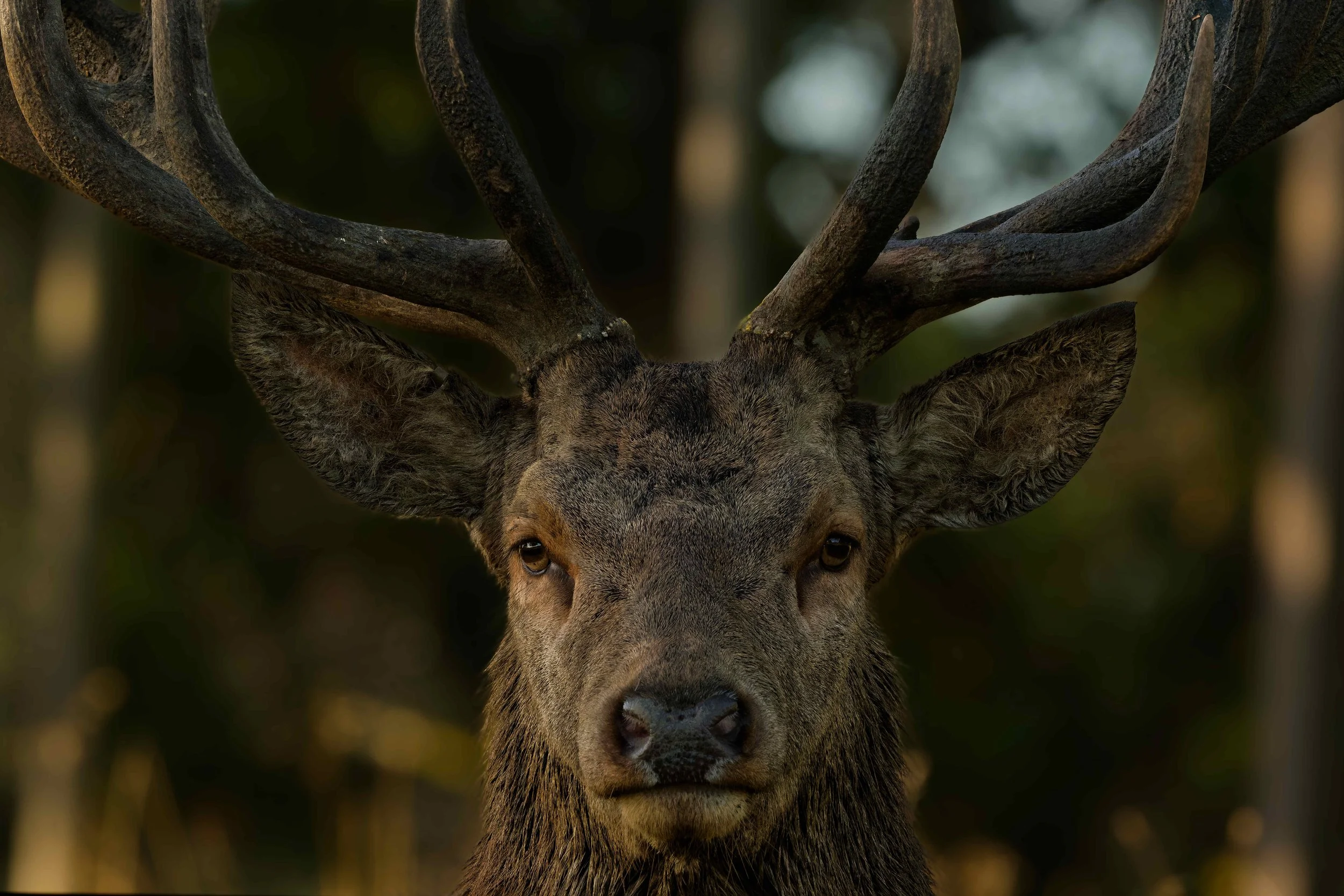
September marks the beginning of one of Britain's great wildlife spectacles.
As the first days of autumn arrive, the sound of roaring stags begins to carry across the hills and through the woodland. For a wildlife photographer, the rut offers some incredible opportunities — but the best photographs aren't necessarily found by simply chasing the biggest or loudest stag.
For me, it's about reading the behaviour and anticipating what happens next.
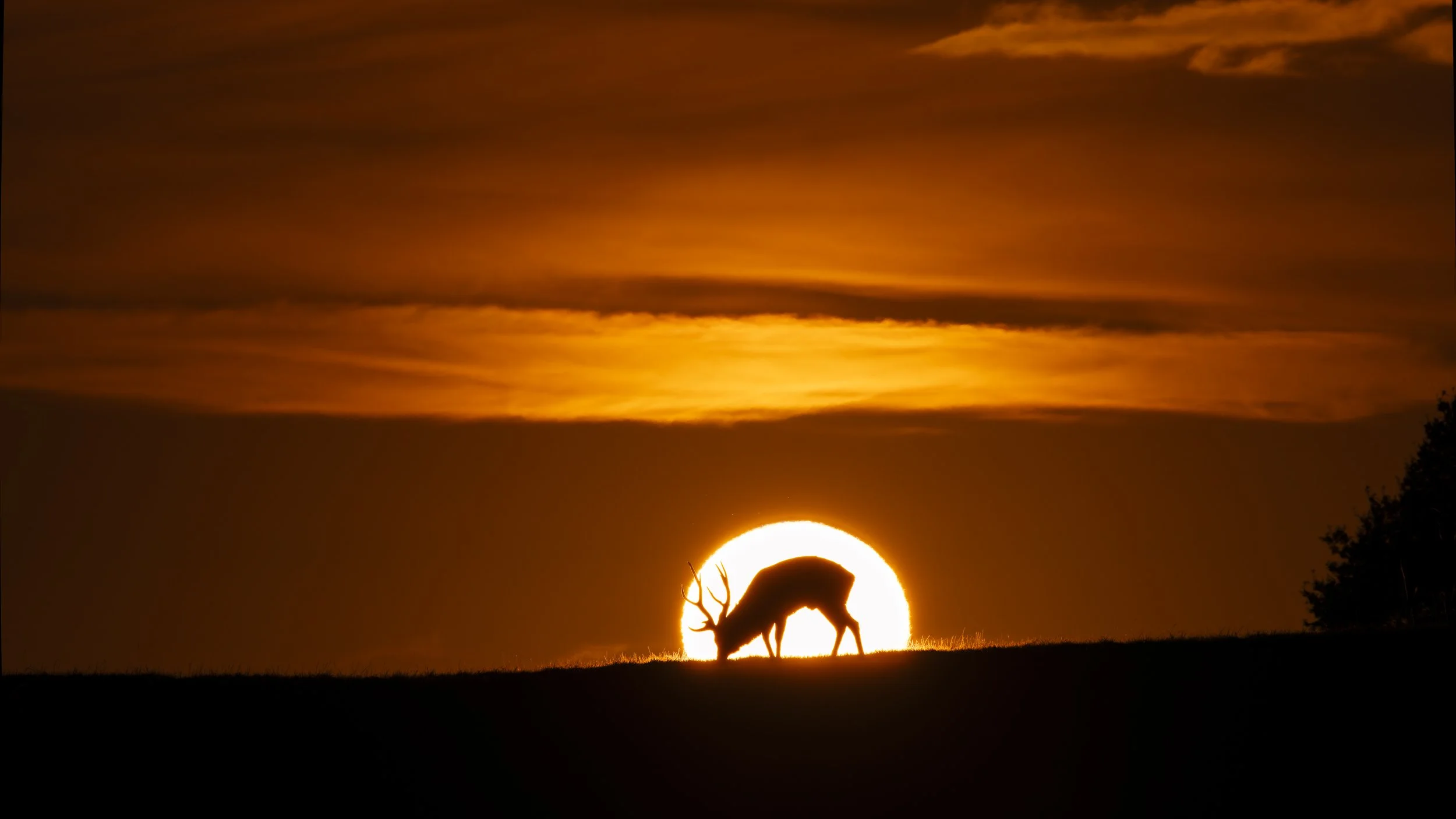
Listen before you look.
The first thing I do when looking for rutting deer is often nothing at all.
I stop and listen.
A roaring stag can be heard long before he can be seen. Once I've worked out where the sound is coming from, I can start thinking about the landscape and where the deer are likely to be.
I'm not trying to get to the stag as quickly as possible.
I'm trying to work out where I need to be when something happens.
Find the harem.
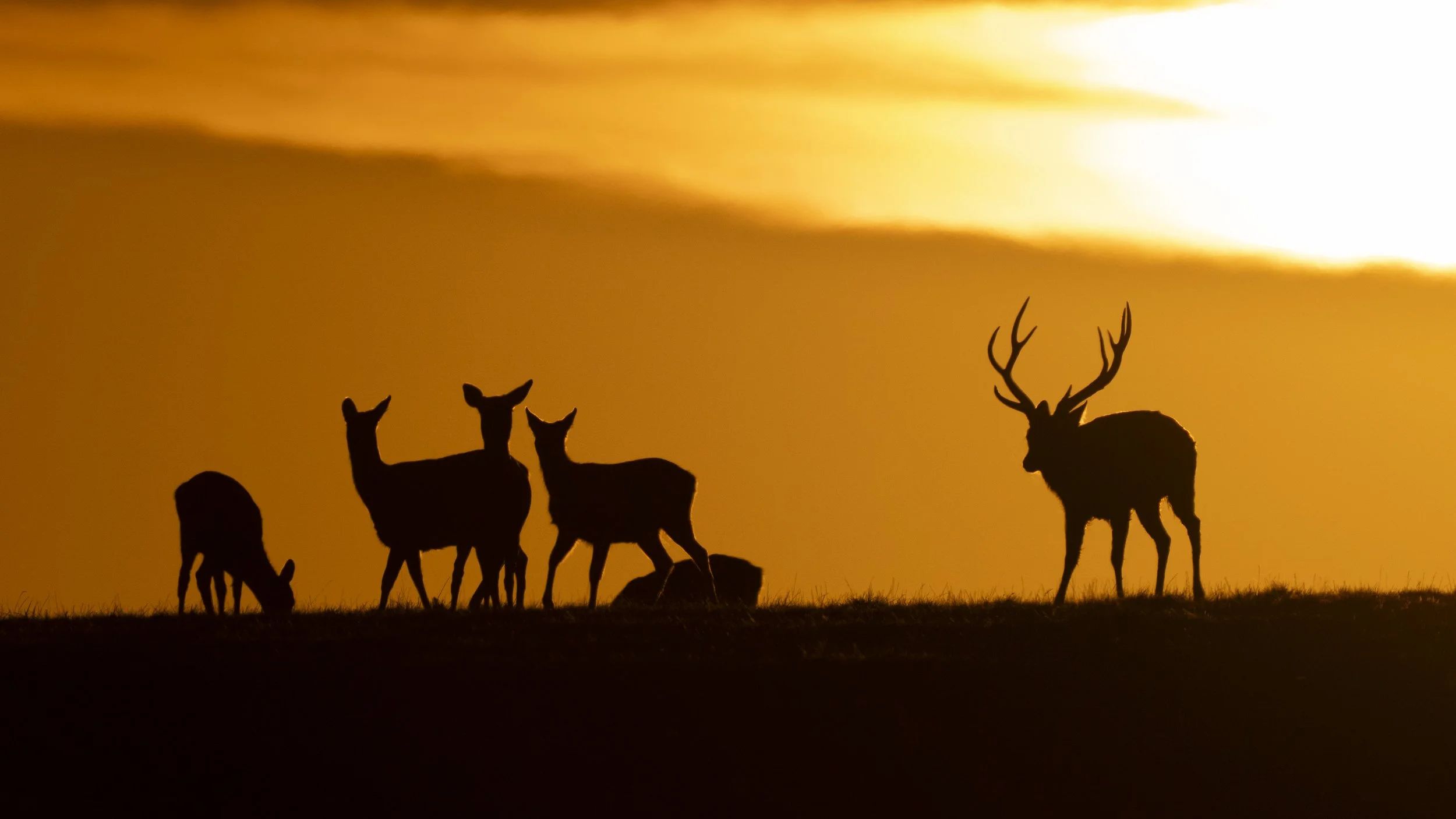
Once I've found the deer, I'll look for a stag with a group of hinds.
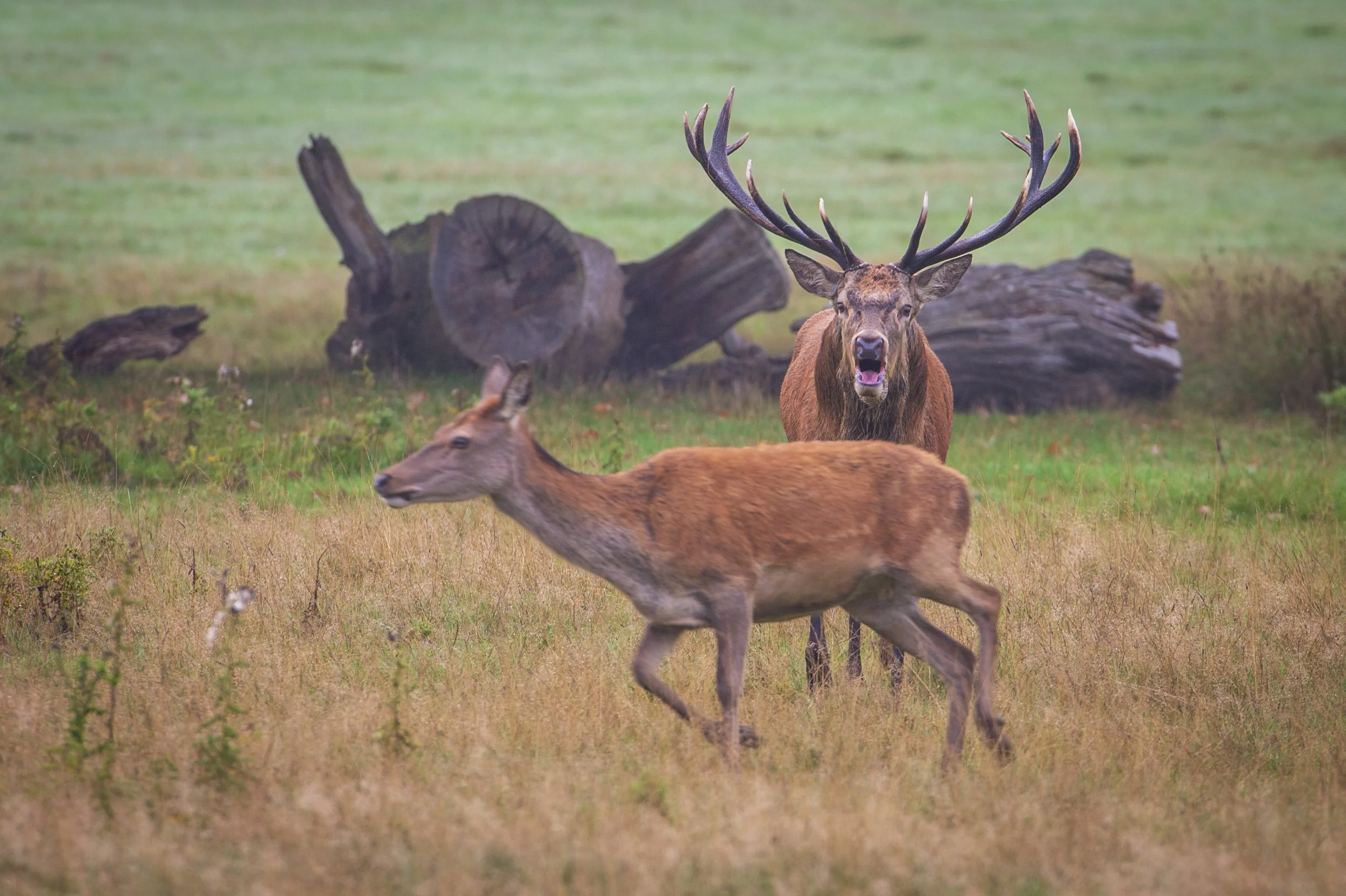
A stag holding a harem has something to defend, which makes him a much more interesting subject. Watch the group rather than concentrating solely on the stag.
Is another male approaching?
Are the hinds moving?
Is the stag becoming agitated?
The more you watch, the more you begin to recognise the signs that something is about to happen.
Anticipate the behaviour
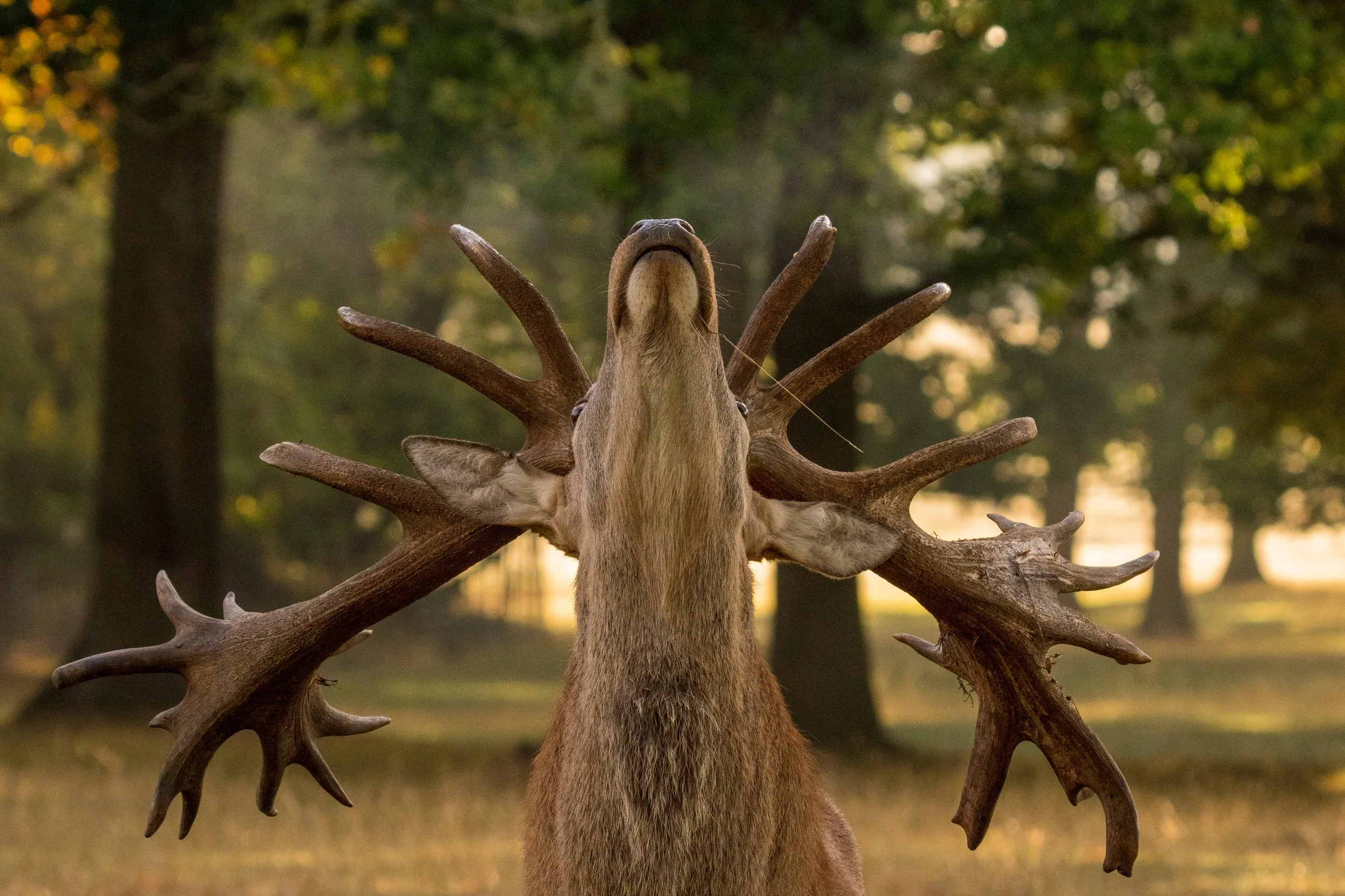
The roar is the obvious behaviour, but there is much more to look for.
Lip curling.
Herding.
Chasing.
Threat displays.
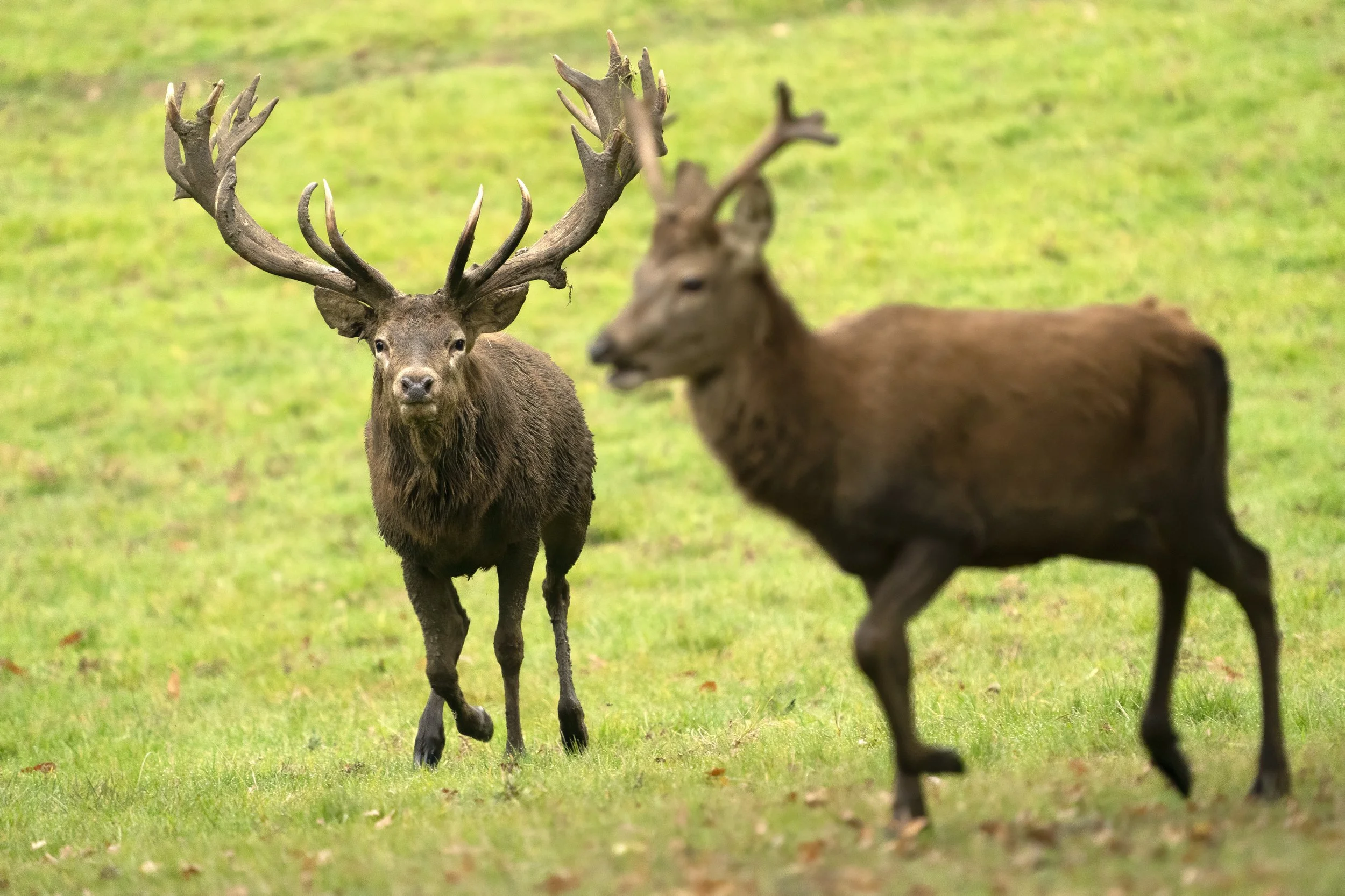
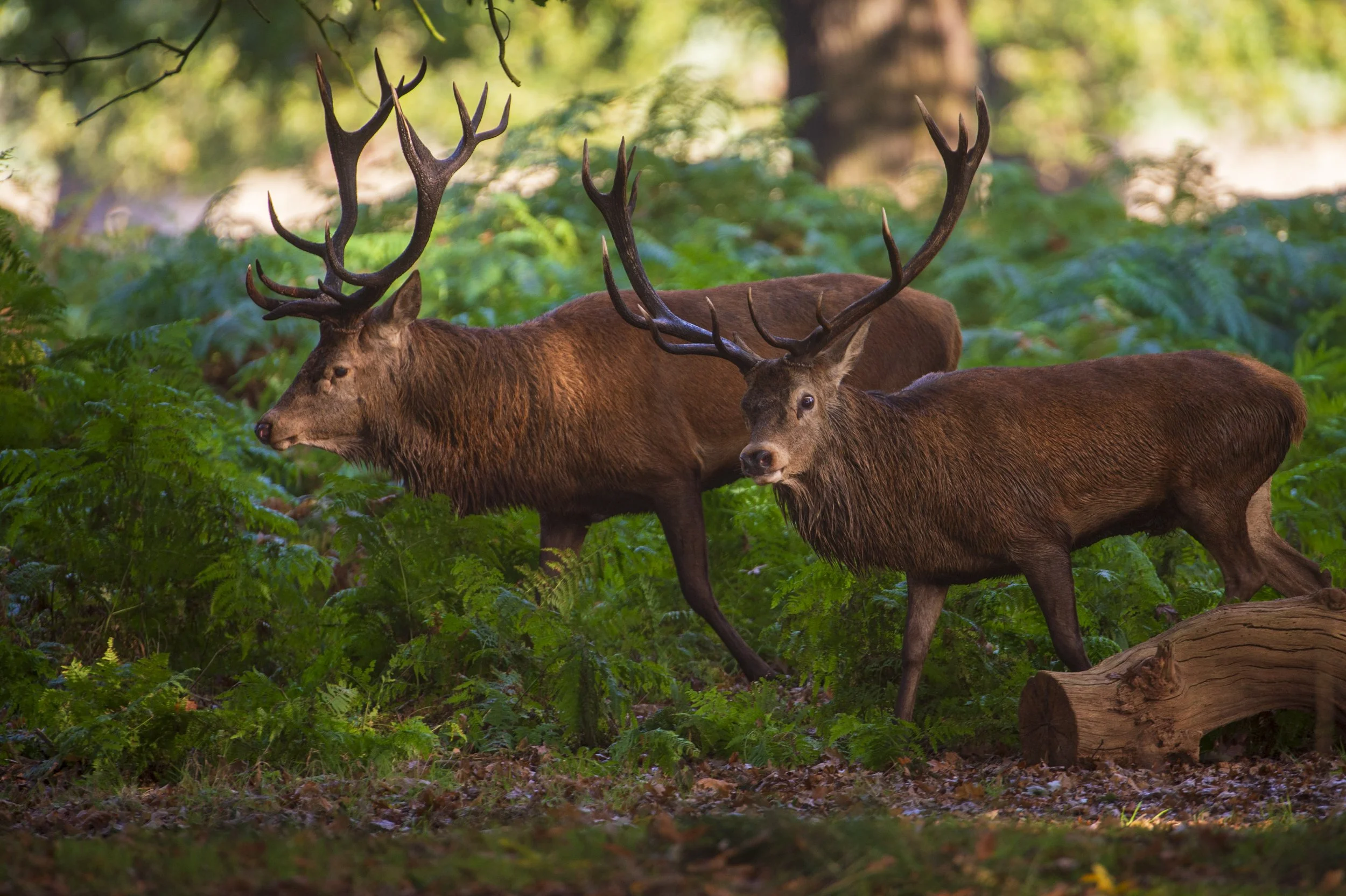
Parallel walking.
Sparring.
The trick is to anticipate rather than react.
If two stags start sizing each other up, don't wait until the antlers collide before thinking about your photograph. Where are they likely to move? What's the light doing? Is there a clean background?
Get yourself into position before the action begins.
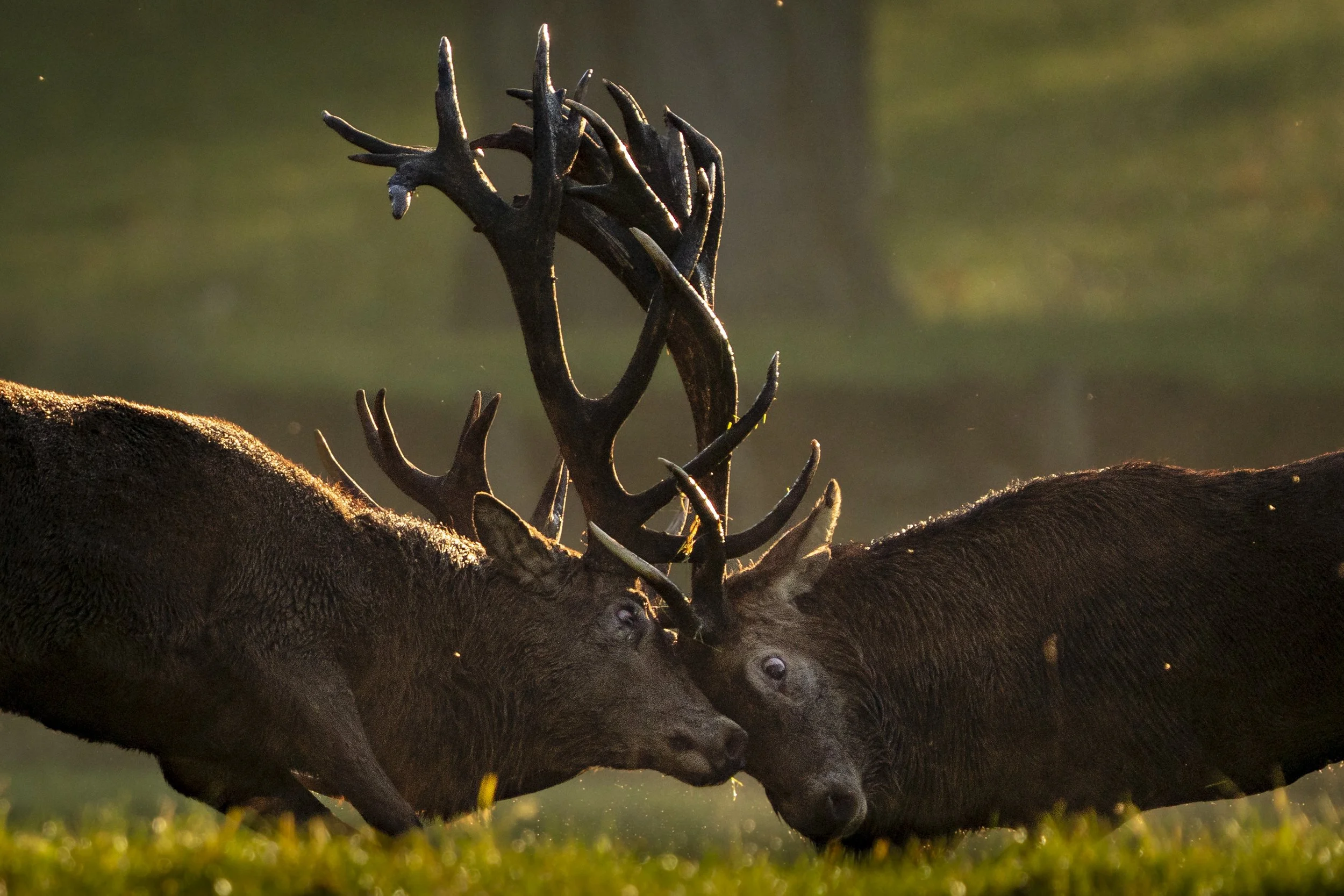
Then make the photograph
Once the behaviour is unfolding, I'm thinking about the same things I would with any wildlife photograph:
Light. Background. Position. Composition.
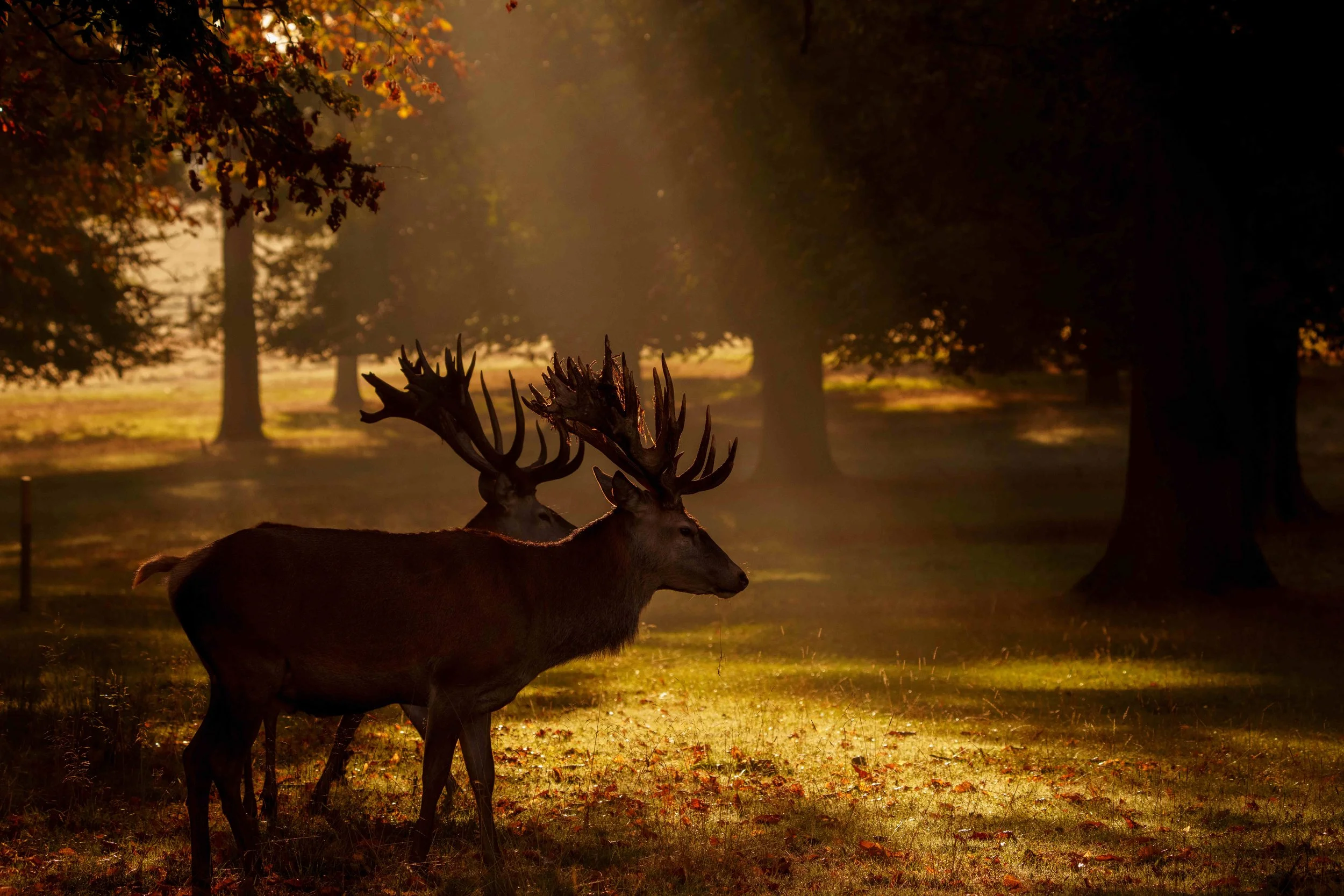
Good light can transform a straightforward portrait, while a clean background can make the difference between a photograph that works and one that doesn't.
And don't be afraid of higher ISO for faster shutter speeds when the action demands it. A sharp photograph of an incredible moment can be cleaned up with denoising tools like Topaz or DXO.
Look beyond the battle
The rut isn't all roaring and fighting.
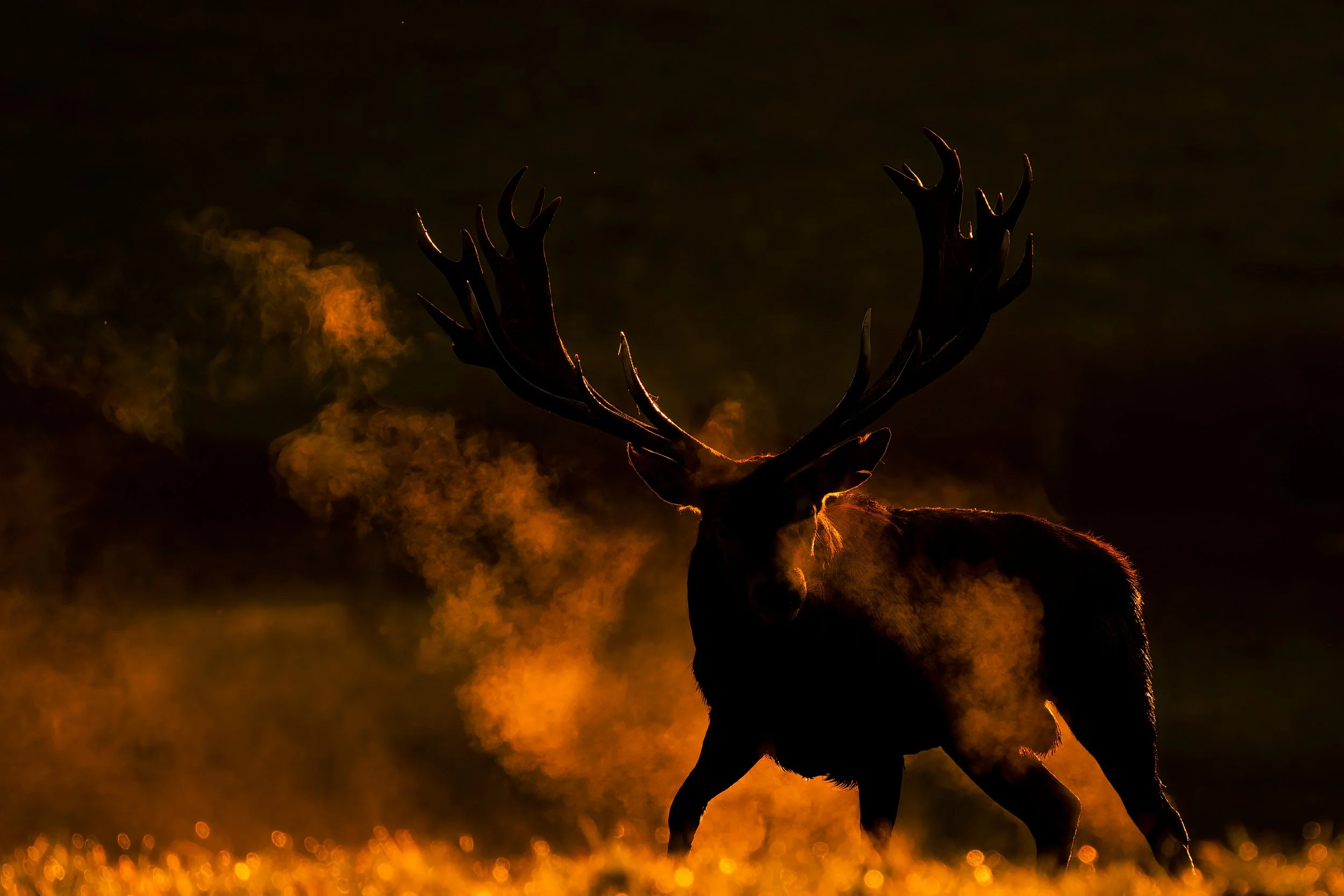
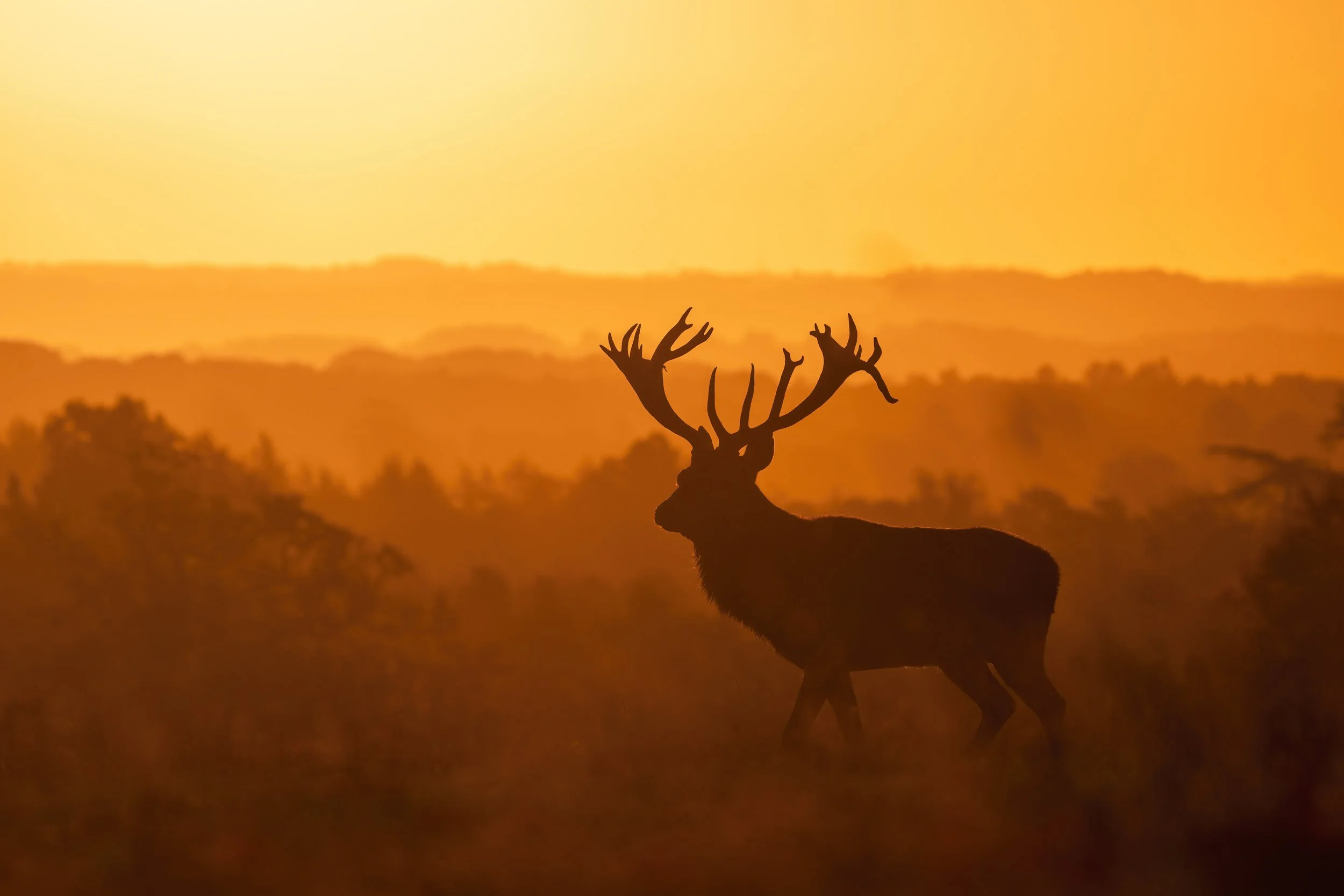
Some of my favourite photographs can be the quieter moments — a stag staring through the mist, standing proudly over his harem, or simply disappearing into the autumn landscape.
The spectacle is what draws us in.
Observation is what finds the photograph.
The Takeaway
You don't need to chase the rut.
Listen. Watch. Anticipate.
Find the deer, understand what they're doing, then look for the light and the composition that turns the encounter into a photograph.
The camera is almost the easy bit.